
Nonprofits are doing some of the most important work in our communities. Housing families. Mentoring youth. Expanding access. Feeding neighbors. Shifting systems. And yet, I’ve sat across from many nonprofit leaders who are doing transformative work — but struggling to communicate it in a way that sustains funding, attracts volunteers, and builds long-term partnerships. Not because the impact isn’t there but because the communication strategy isn’t. In today’s landscape, strong programs without a strong nonprofit communications strategy often result in missed donor opportunities, inconsistent engagement, and burnout from constantly operating in reactive mode. If your organization is serious about long-term sustainability, your communication strategy is not optional. It is infrastructure. Below is a nonprofit communications checklist I believe every organization should audit annually — not as a marketing exercise, but as a growth strategy. 1. A Clear, Compelling Core Narrative “If your team cannot articulate your mission with clarity, your audience won’t either.” Before social media. Before newsletters. Before grant reports. Your nonprofit must clearly answer three questions: What do we do? Why does it matter? Why does it matter right now? A strong nonprofit storytelling strategy begins with internal clarity. Your mission statement should be understandable in one read. Your team should be able to deliver a confident 30-second version of your story. Your longer narrative should connect urgency, impact, and vision. Clarity builds credibility. Credibility builds support. 2. Audience Segmentation That Drives Engagement “Not everyone supports you for the same reason.” Effective nonprofit marketing does not treat every stakeholder the same. Donors care about outcomes and sustainability. Volunteers care about engagement and experience. Corporate partners care about alignment and visibility. Community stakeholders care about trust and impact. When messaging becomes generic, engagement weakens. A thoughtful nonprofit communications plan distinguishes audiences and speaks to their motivations intentionally. Strong segmentation strengthens donor engagement and deepens loyalty. 3. A Year-Long Communications Strategy (Not Reactive Posting) “Reactive communication creates stress. Strategic communication creates momentum.” Many nonprofits communicate only when there’s an event or a funding gap. But sustainable organizations operate from a mapped-out annual communications calendar. Your nonprofit marketing strategy should include: Key fundraising campaigns Seasonal storytelling moments Planned donor updates Major program highlights Volunteer engagement pushes When communication is planned, your team operates with confidence instead of urgency. A communications calendar doesn’t limit flexibility — it reduces chaos. 4. A Donor Communication Pathway A donor should never feel like a transaction. Securing a first-time donation is important. Retaining a long-term supporter is transformational. Ask yourself: What happens immediately after someone gives? Are they thanked promptly and personally? Do they receive updates about impact? Do they understand how their gift changed something? Donor engagement is not just about acquisition. Iit is about stewardship. A structured communication pathway strengthens trust, increases lifetime value, and positions supporters as partners in your mission. 5. Story Systems (Not Just Stories) Stories drive funding. Systems drive sustainability. Most nonprofits have powerful stories. The real question is whether you have systems for capturing them. Do you: Regularly gather testimonials? Archive photos and videos in an organized way? Train staff to identify story moments? Document transformation intentionally? If storytelling depends on chance, it is inconsistent. A structured nonprofit storytelling strategy ensures that your impact is documented, preserved, and ready to support fundraising and partnership opportunities. 6. Visual Brand Consistency & Credibility “Your brand is how your mission feels.” Nonprofit branding is not about aesthetics. It is about trust. An outdated website, inconsistent social graphics, or unclear messaging can create subconscious doubt — even when your programming is strong. A cohesive brand presence across your website, social media, and donor materials reinforces stability and professionalism. Strong nonprofit website strategy and visual consistency signal that your organization is ready for investment. 7. Measurable Impact Language “Activity is not the same as impact.” Hosting events and running programs are activities. Funders want outcomes. Your nonprofit communications should clearly articulate: What changed because we exist? Who is better off? How do we know? Balance quantitative data with qualitative storytelling. Numbers provide credibility. Stories provide connection. Together, they create persuasive nonprofit marketing messaging that resonates with donors and stakeholders alike. 8. Internal Communication Alignment “External clarity begins with internal alignment.” Many communication gaps begin inside the organization. Are board members confident in explaining the mission? Do staff know upcoming campaign priorities? Are program teams integrated into storytelling efforts? When internal communication is fragmented, external messaging becomes inconsistent. Alignment strengthens your nonprofit communications strategy from the inside out. 9. A Website That Converts “Your website should guide action, not just provide information.” Your nonprofit website should function as more than a digital brochure. Within 30 seconds, a first-time visitor should understand: Who you serve What problem you address How they can take action Donation forms should be simple. Volunteer pathways should be clear. Event information should be easy to navigate. Strong nonprofit website strategy turns curiosity into engagement. 10. Intentional Reflection & Strategic Refinement “Growth requires evaluation — not just execution.” Communication strategy is not static. As your programs evolve, your messaging must evolve alongside them. Strong nonprofit leaders create space to ask: What’s resonating? What feels unclear? Where are we over-communicating activity but under-communicating impact? Nonprofit marketing and communications require ongoing refinement. Sustainability is built through thoughtful iteration, not constant reaction. Final Thoughts: Communication Is Infrastructure Nonprofits are rightly focused on service. But communication is not vanity. It is infrastructure for growth. When you strengthen your nonprofit communications strategy: You attract aligned donors. You increase volunteer retention. You expand partnerships. You reduce internal burnout. You amplify the voices of those you serve. If you’re reading this and recognizing gaps, that’s not a failure. It’s a sign of growth. Most organizations scale impact before their systems catch up. At Ascend Solutions, we partner with nonprofit leaders to audit, refine, and strengthen their storytelling, communications, and engagement strategy. Sometimes that means a full strategic engagement. Other times, it’s simply a focused Think Tank session — a structured space to assess where you are and clarify your next move. If you’d like support in strengthening your nonprofit communications strategy, we’d be honored to walk alongside you in that process.

Somewhere along the way, many organizations started treating content like a quota instead of a strategy.

Here are impactful conferences happening in 2026.
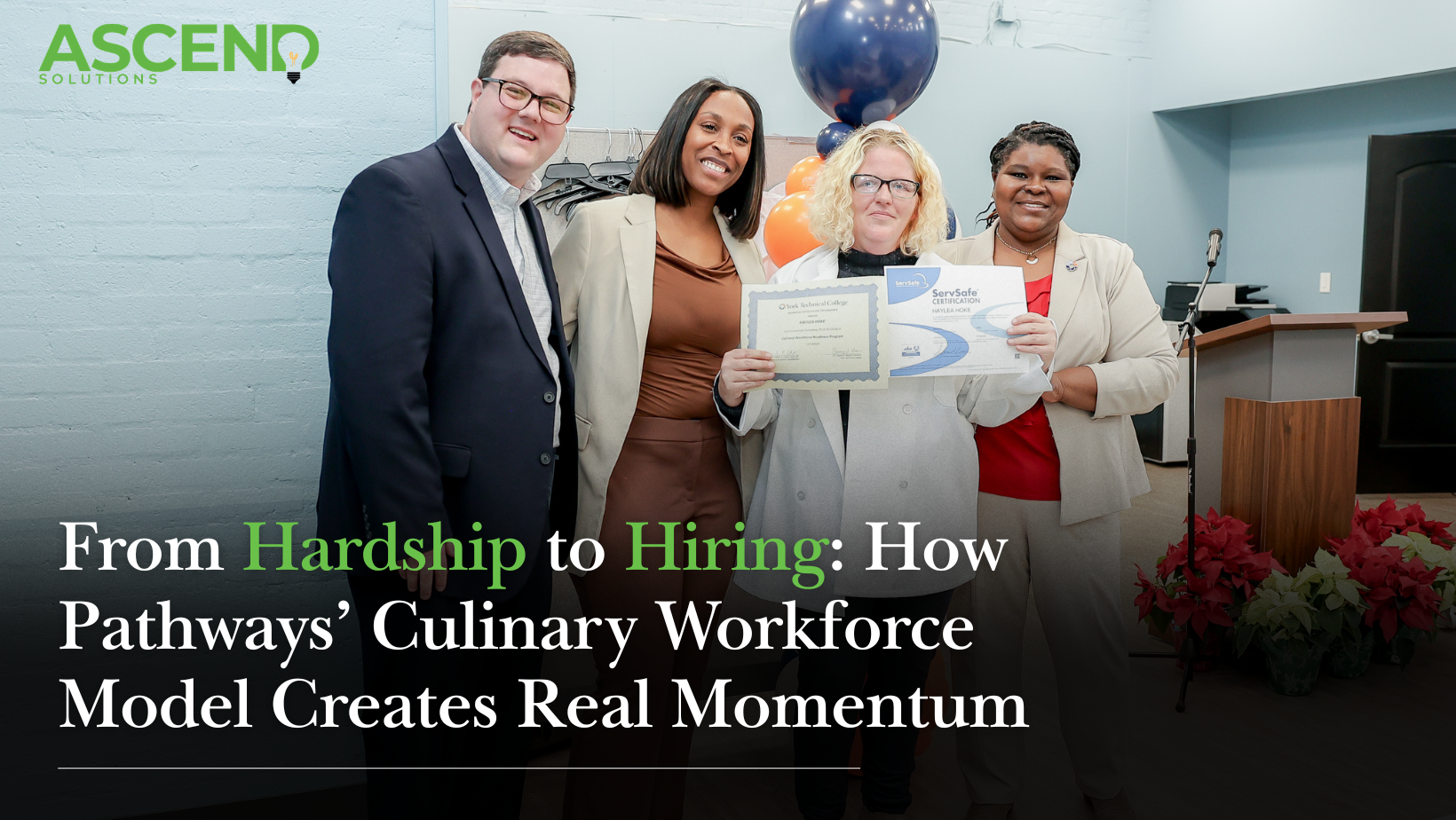
How Pathways’ Culinary Workforce Model Creates Real Momentum